The Coastal Atlas · Edition 2026
Where the land meets the tide
Independent editorial guides to the world’s beaches, islands, cliffs, coves and coastal villages — from Iceland’s black sands to the granite lagoons of the Seychelles.
Try:
Featured shorelines
Eight coastlines, eight oceans of character
Each profile is researched from official park, tourism and conservation sources, then written up with conditions, seasons, access and the small details that make a coastal day memorable.
Postcards from the shoreline
A drifting album of coastal moods
Hover to pause the tide. Every postcard opens a full destination profile.
Interactive coastal chart
Plot your next horizon
Select a marker on our nautical-style chart to read a quick profile. Coordinates are approximate and intended for orientation only — always navigate with official maps.
● Featured destination— — EquatorGrid: 30° intervals
The coastal almanac
When each coastline is at its best
Read it like a tide table: green bands mark the months our editors recommend for settled weather, comfortable water and good access. Shoulder months often bring the softest light and the quietest sand.
| Region | Featured shore | J | F | M | A | M | J | J | A | S | O | N | D | Notes |
|---|
Editorial guides
Read the coast by its landscapes
From hidden coves to volcanic islands, our landscape guides explain how coastlines are formed, what to expect on arrival, and where to find the world’s finest examples.
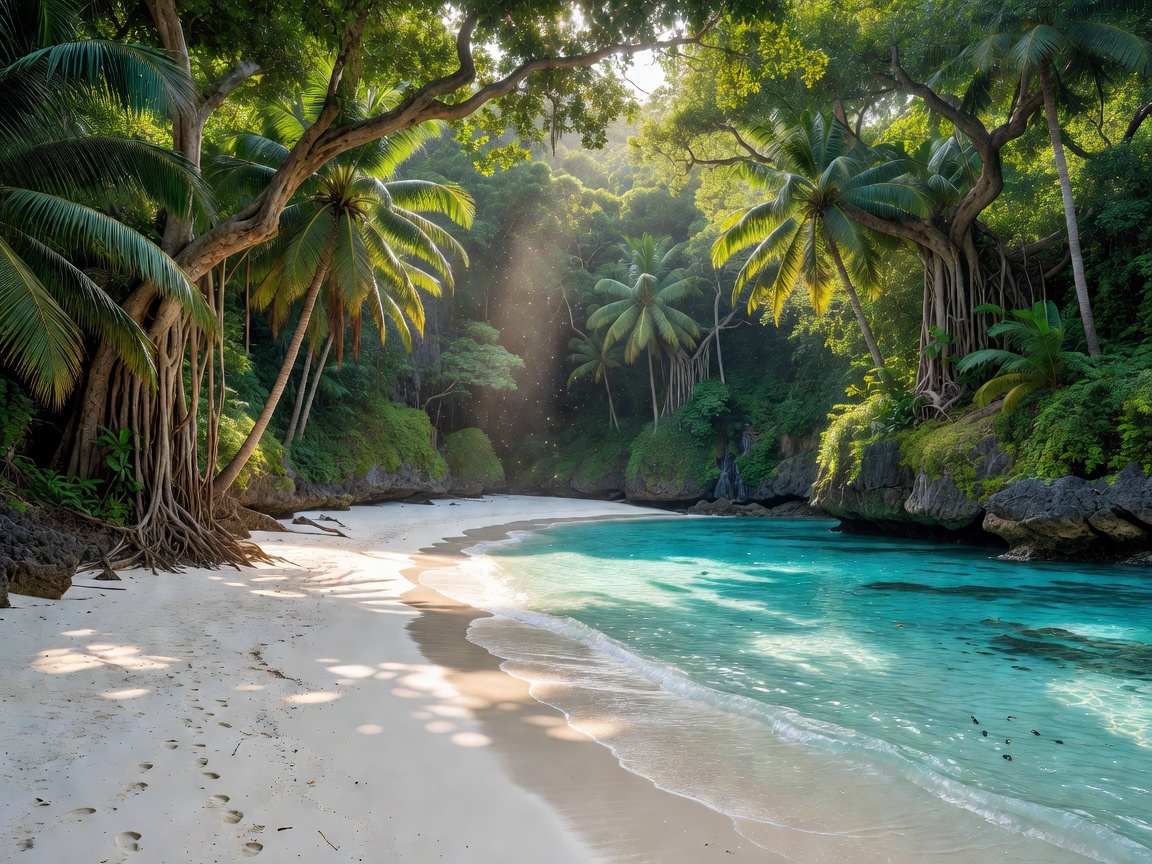
Hidden beaches
Coves reached by trail, boat or tide.
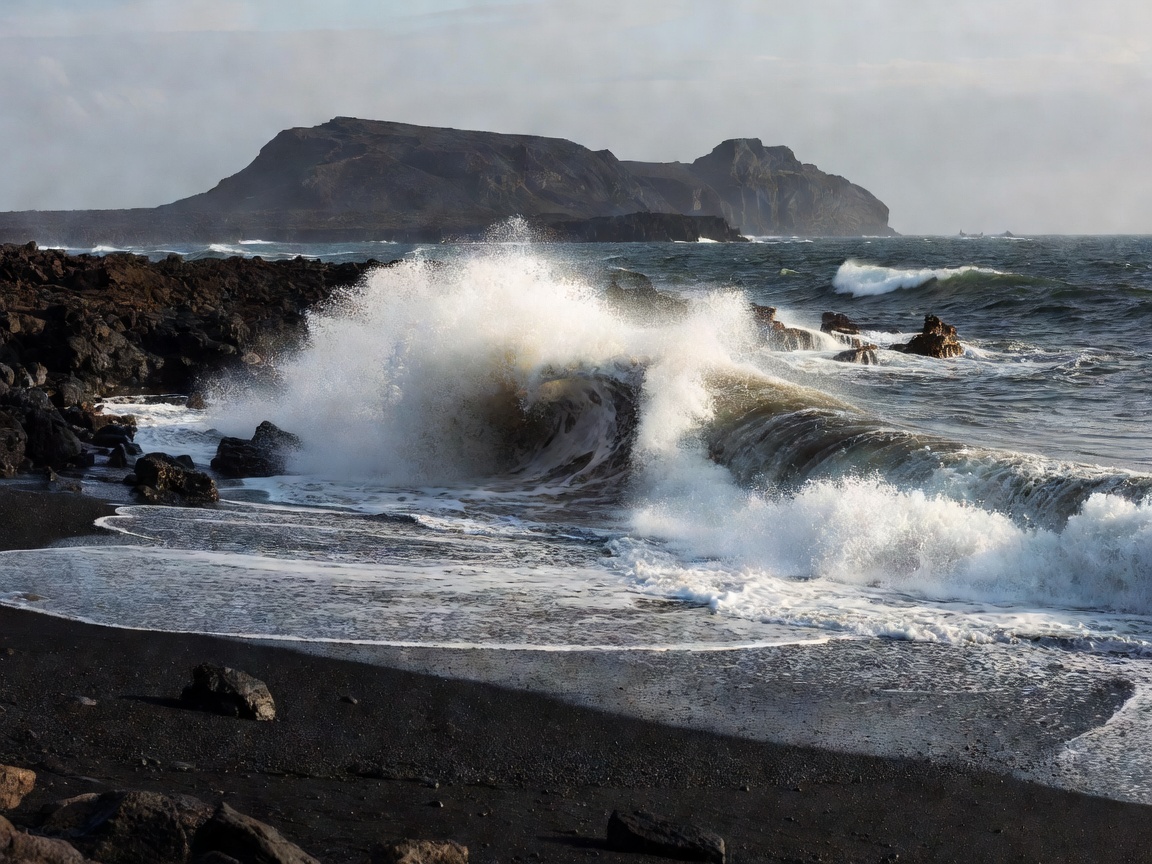
Volcanic islands
Basalt, black sand and young land.
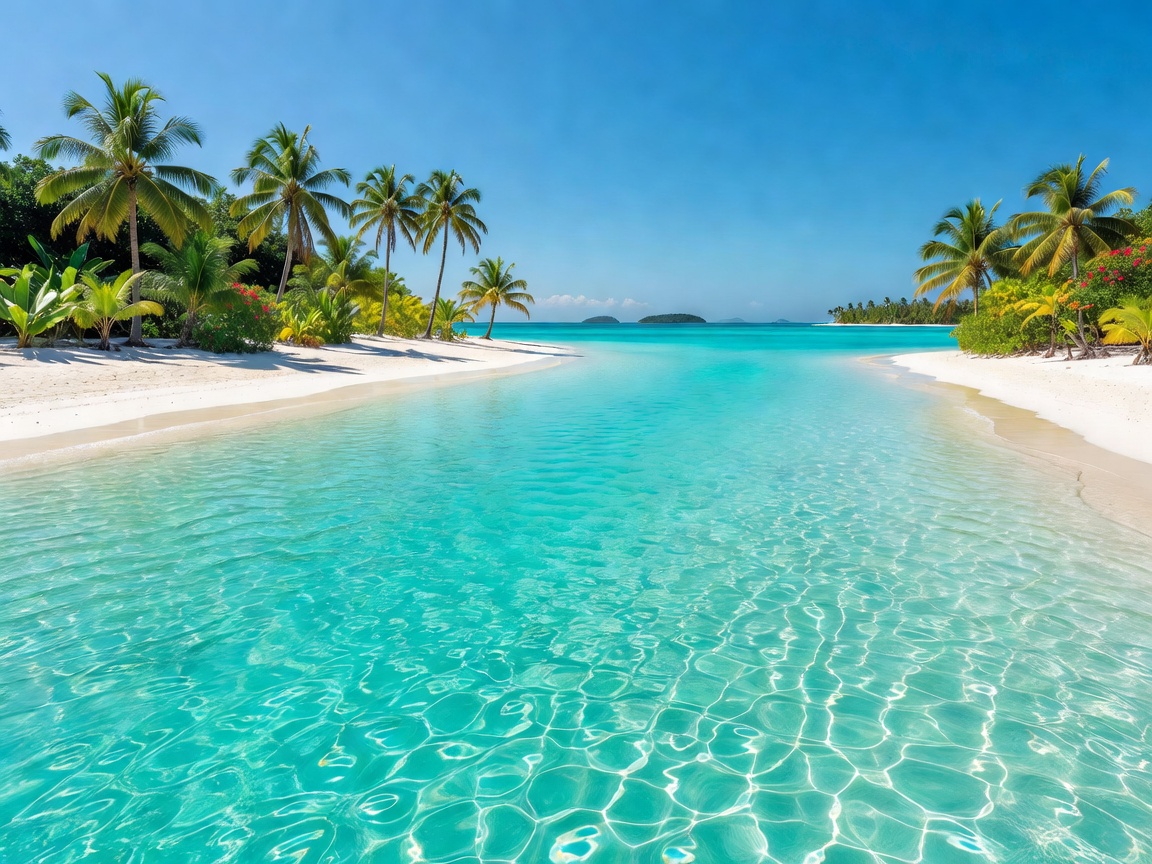
Tropical lagoons
Reef-sheltered, glass-calm water.
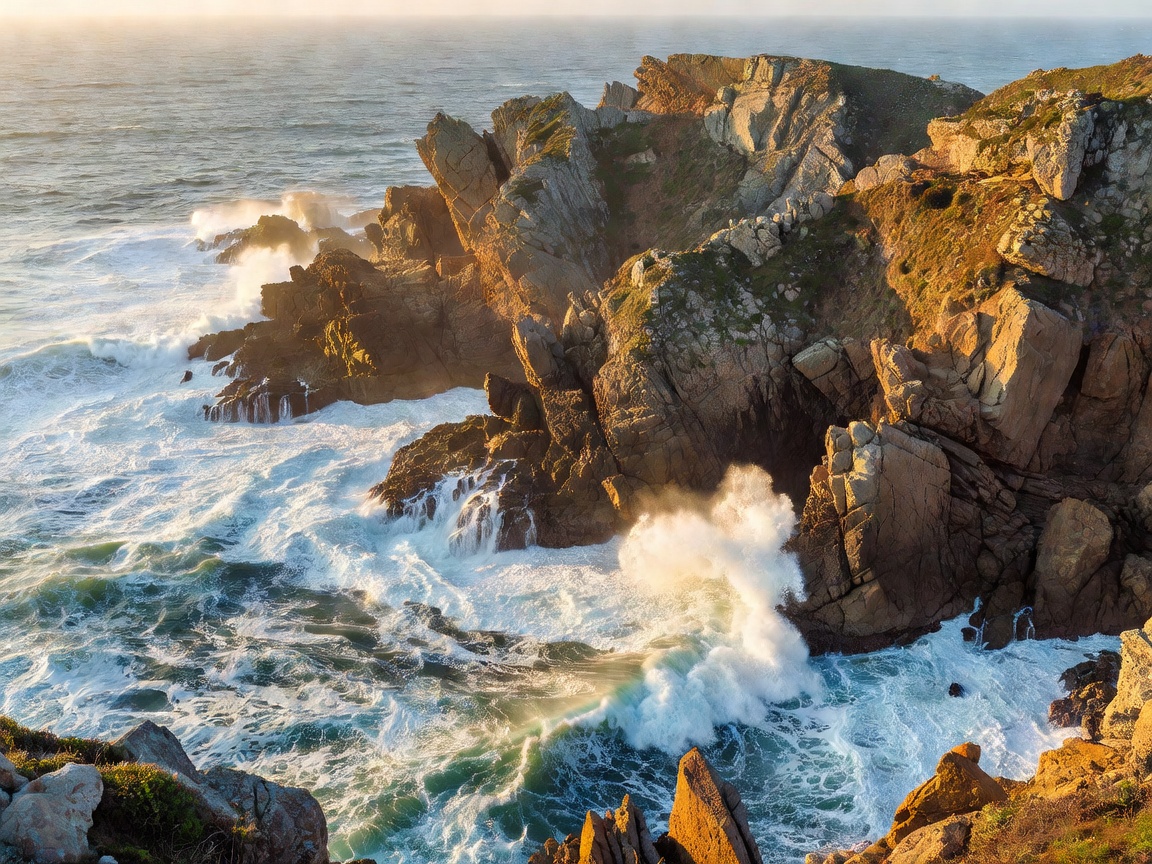
Dramatic cliffs
Arches, stacks and sea-carved walls.
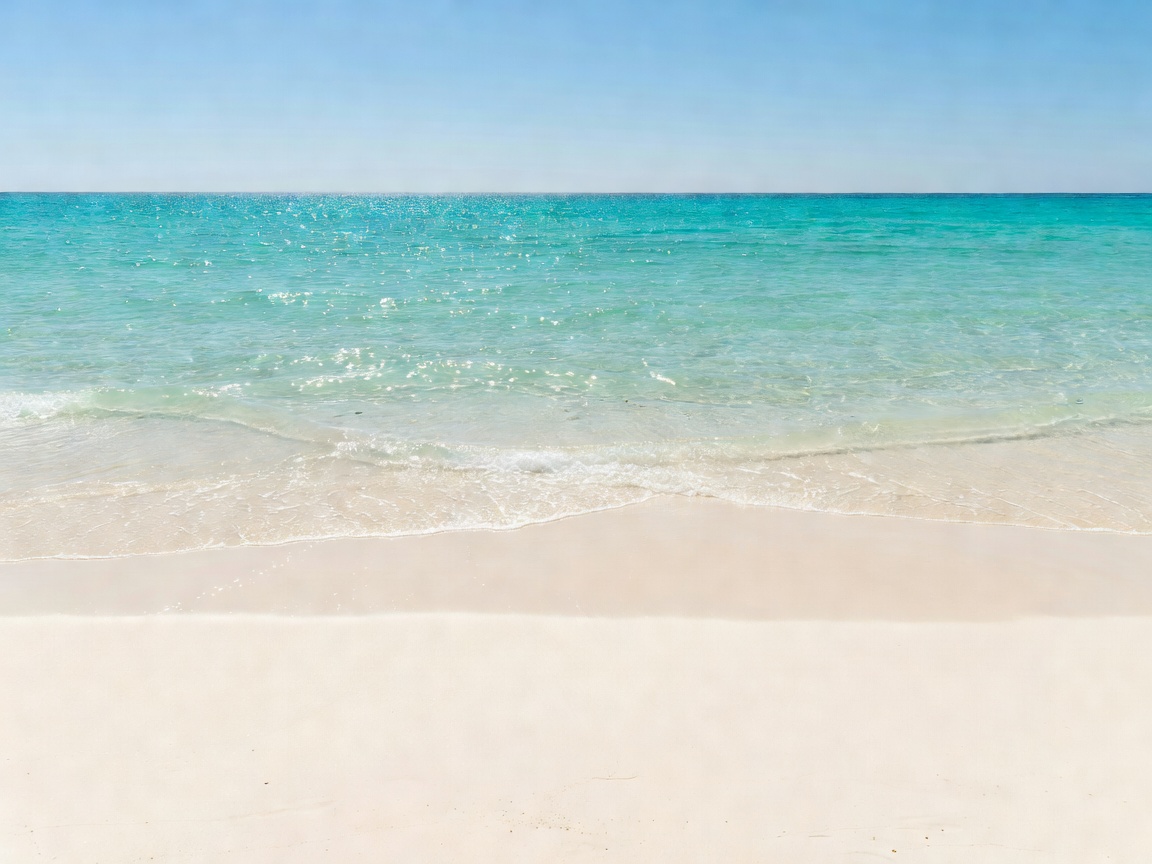
White-sand beaches
Silica, coral and shell shores.
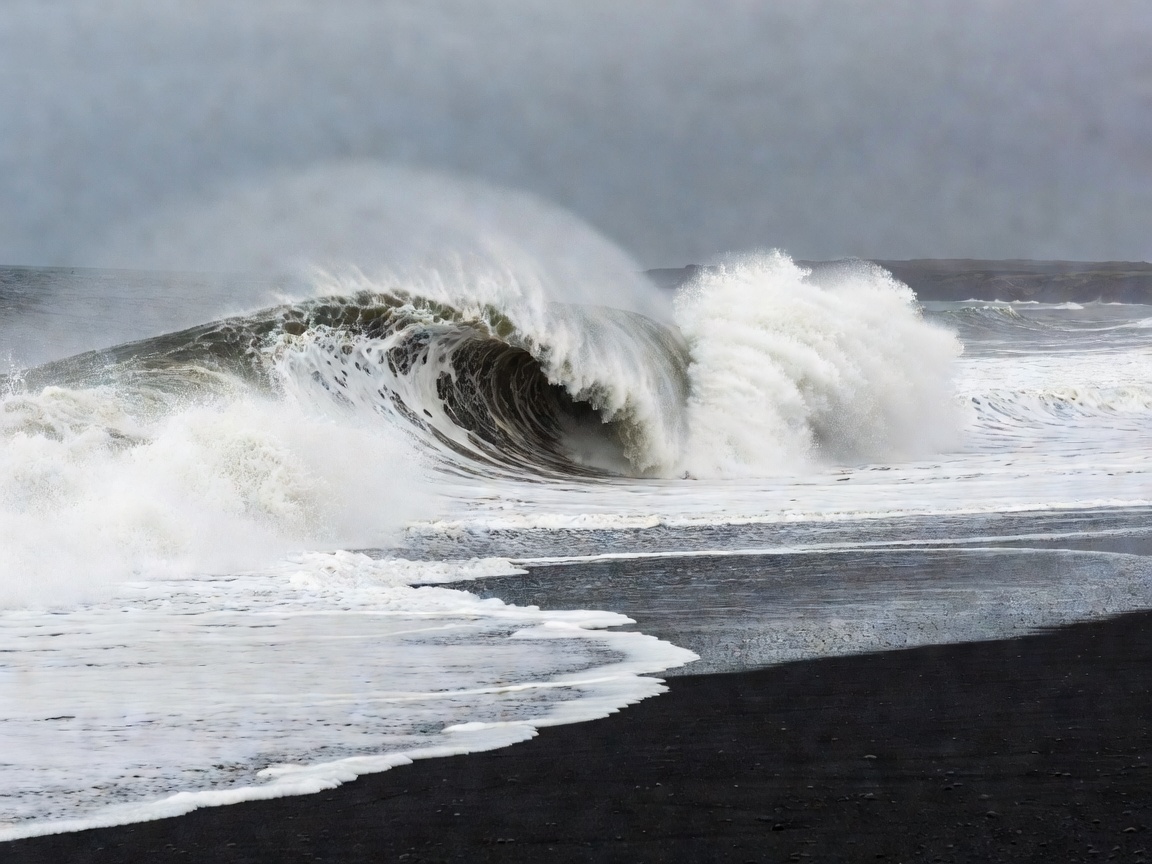
Black-sand beaches
Where lava meets the waves.
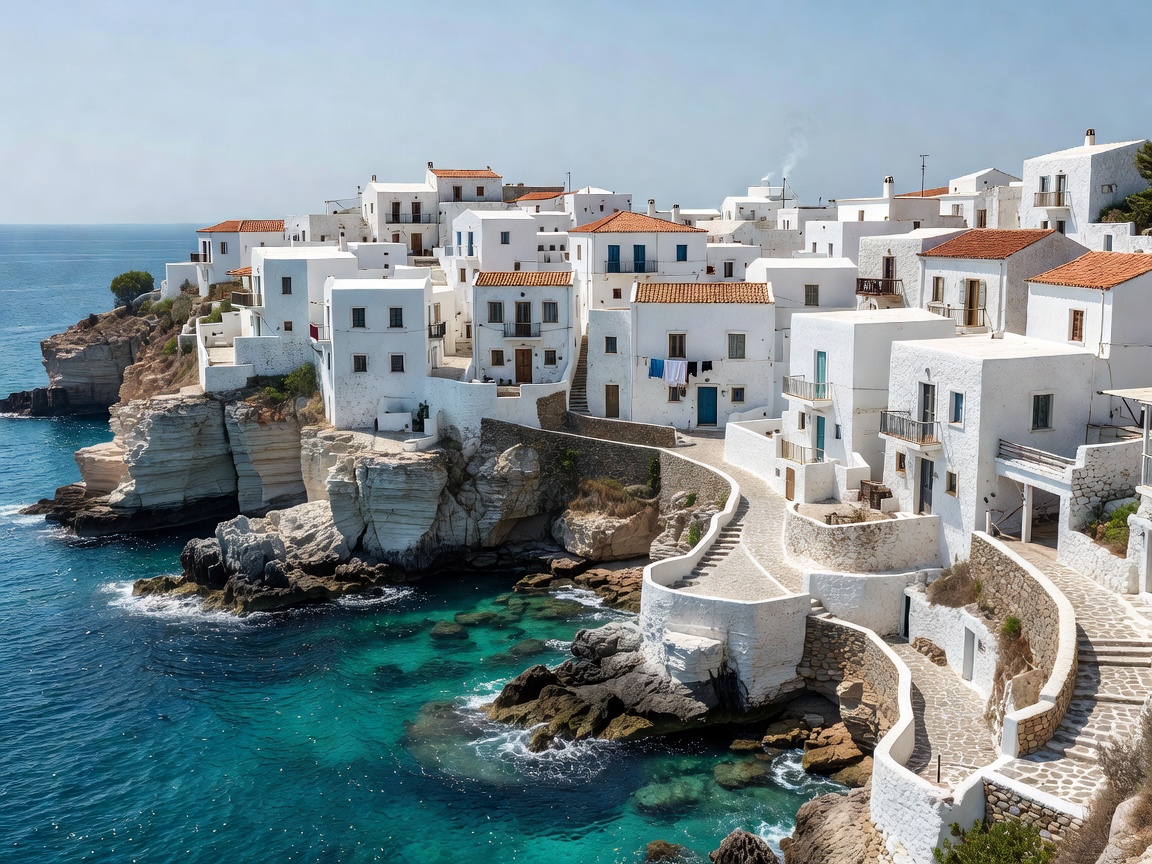
Island villages
Harbours, chapels and slow lanes.
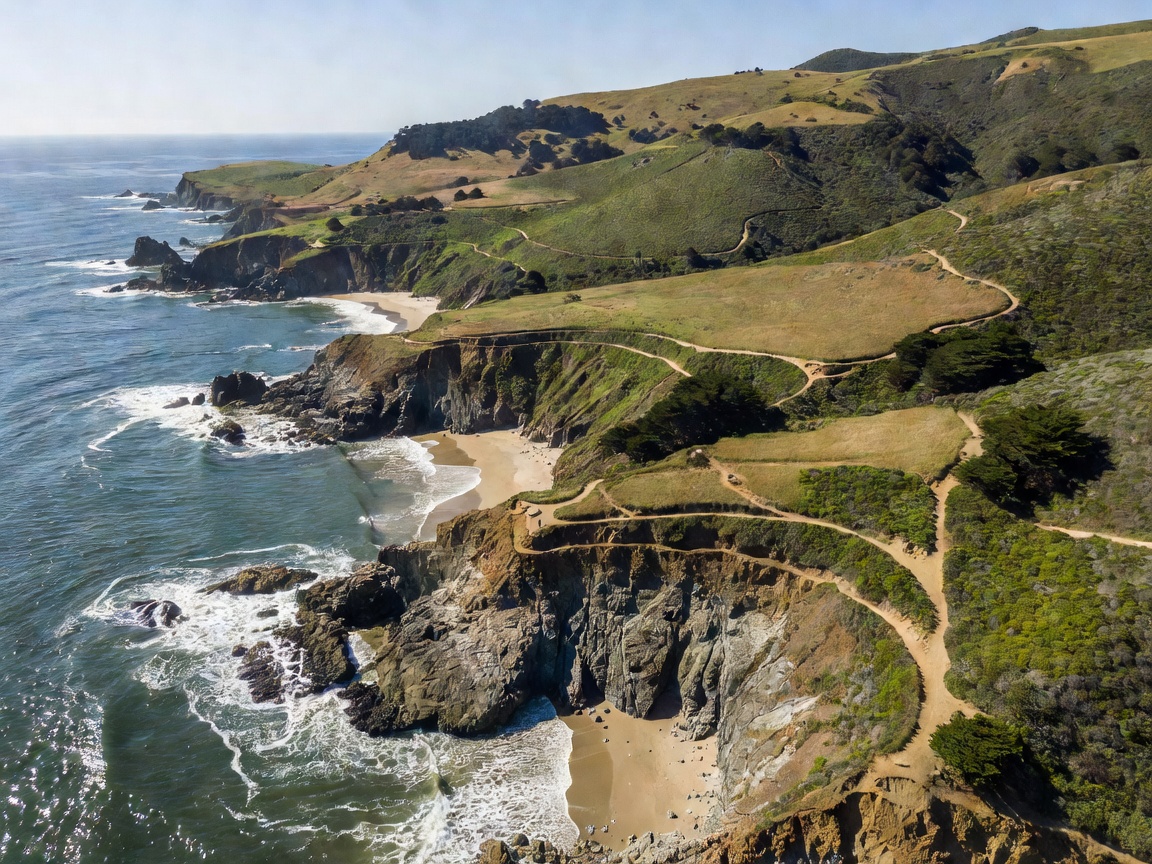
Coastal hiking
Clifftop paths and shoreline trails.

Scenic seaside towns
Promenades, markets and harbour life.
Responsible coastal tourism
Leave only the tide’s footprints
Coastlines are some of the most fragile habitats on Earth. These five habits protect dunes, reefs, nesting wildlife and the communities who call the shore home.
- 01Respect closures and signageRockfall zones, nesting seasons and reef recovery closures exist for good reason.
- 02Keep wildlife wildNever feed, touch or chase animals; observe from a distance.
- 03Protect reefs and seagrassUse reef-safe sunscreen, never stand on coral, and choose operators who moor responsibly.
- 04Leave sand, shells and stonesRemoving natural material is illegal in many protected areas.
- 05Travel lighterUse public transport where possible, visit outside peak hours and support local businesses.